
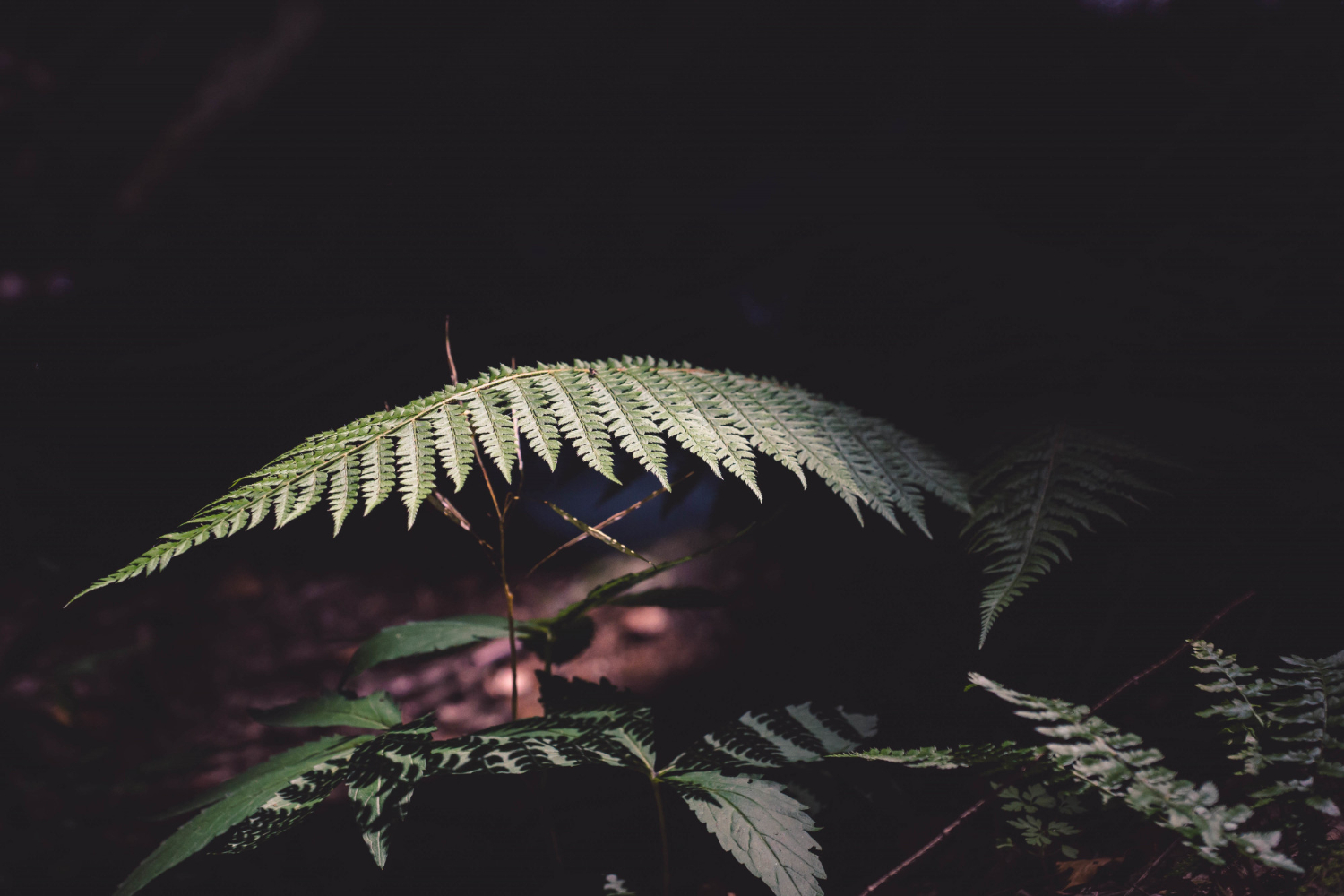
Ayahuasca Retreat in the Amazon: Traditional Ceremonies, Indigenous Wisdom, and Inner Transformation
Deep in the heart of the Amazon rainforest, where dense vegetation meets ancient rivers and the rhythm of nature dictates daily life, Ayahuasca has been used for centuries as a sacred plant medicine. Long before modern interest turned toward psychedelics and spiritual tourism, indigenous communities relied on Ayahuasca ceremonies as a profound tool for healing, guidance, and connection with the natural and spiritual worlds.
Today, the growing interest in an ayahuasca retreat reflects a wider search for meaning, authenticity, and reconnection with nature. Yet to truly understand the depth of this experience, it is essential to explore Ayahuasca within its traditional Amazonian context—where ritual, lineage, and responsibility remain central.
The Cultural Roots of an Ayahuasca Retreat in the Amazon
In Amazonian cosmology, Ayahuasca is not considered a substance but a living intelligence—often referred to as a “plant teacher.” Indigenous shamans have worked with this medicine for generations to diagnose illness, restore energetic balance, and communicate with the unseen forces believed to govern life.
Traditionally, Ayahuasca was never approached casually. Ayahuasca ceremonies were held only under the guidance of highly trained elders who had spent decades in isolation, dietary discipline, and spiritual apprenticeship. This training ensured that the medicine was used with humility and respect, protecting both the community and the individual.
A traditional ayahuasca retreat in the Amazon is therefore rooted not in escape or entertainment, but in continuity—preserving ancestral knowledge while creating a space for inner inquiry and transformation.
Ayahuasca Ceremonies and Their Role in Indigenous Healing Traditions
Ayahuasca ceremonies follow a structured and intentional process. Preparation often begins days or weeks before the ceremony itself and includes a specific diet, abstinence from alcohol, and mental preparation. These steps are considered essential to align the body and mind with the medicine.
During traditional ayahuasca ceremonies, the shaman holds the ceremonial space through sacred chants known as icaros. These songs are not decorative; they are believed to guide the energetic flow of the ceremony, offering protection and direction throughout the experience.
Participants often report intense emotional, psychological, and symbolic visions. In indigenous traditions, these experiences are interpreted not as hallucinations, but as insights into one’s internal and energetic state. Healing, in this context, is not defined as instant relief but as a process of truth, awareness, and responsibility.
Equally important is what happens after the ceremony. Integration—reflecting on insights and applying them to daily life—is considered an essential continuation of the healing process.
Why People Travel to the Amazon for an Ayahuasca Retreat
For many seekers, the environment of the Amazon is inseparable from the experience itself. The jungle is not merely a setting; it is an active participant. The sounds of wildlife, the absence of modern distractions, and the presence of medicinal plants create conditions that allow deep introspection to unfold naturally.
Joining an ayahuasca retreat in the Amazon is often described as a pilgrimage rather than a vacation. People arrive during periods of transition, emotional exhaustion, or existential questioning. Others feel a quieter but persistent call to explore consciousness in a meaningful and grounded way.
What draws many individuals specifically to the Amazon is the opportunity to experience Ayahuasca in its place of origin—guided by indigenous wisdom rather than external interpretations or commercialized frameworks.
Indigenous Shamans and the Responsibility of Lineage
At the core of authentic ayahuasca retreats are the shamans themselves. True indigenous healers are becoming increasingly rare as modern infrastructure reaches even the most remote jungle communities. Traditional shamanic training often begins in childhood and continues throughout life, requiring discipline, abstinence, and constant spiritual practice.
Some shamans grew up entirely immersed in the jungle, learning directly from elders, sacred natural sites, and the plants themselves. Their knowledge is experiential rather than theoretical, passed down through lineage rather than written texts.
In traditional belief systems, a shaman is not self-appointed. The role is shaped by visions, dreams, and guidance from nature. With this role comes immense responsibility—not only toward individuals attending ceremonies, but toward maintaining balance within the community and the natural world.
Transformation Through Experience, Not Promises
Many people who participate in traditional ayahuasca retreats describe a symbolic process of death and rebirth—a theme deeply embedded in Amazonian cosmology. This transformation is not presented as guaranteed or immediate. Instead, it is understood as a gradual unfolding that requires honesty, courage, and integration.
Authentic Ayahuasca work does not offer quick solutions. Rather than “fixing” problems, the medicine is believed to reveal underlying truths. What follows depends on how individuals choose to respond to these insights in their daily lives.
For this reason, traditional practitioners emphasize responsibility over expectation. Ayahuasca is respected precisely because it demands commitment and personal accountability.
Safety, Preparation, and Ethical Retreat Spaces
As interest in Ayahuasca grows globally, so does the importance of ethical retreat environments. Responsible ayahuasca retreats emphasize preparation, experienced guidance, and medical awareness, while also respecting indigenous traditions.
In Ecuador, some retreat centers collaborate closely with indigenous shamans and local communities to preserve cultural integrity while offering a structured and supportive environment for international participants. One such example is AMAYAS ECUADOR S.A.S., which focuses on maintaining a respectful balance between ancestral practices, safety, and cultural preservation within the Amazon region.
This approach recognizes that honoring the medicine also means honoring the people and ecosystems that have safeguarded it for generations.
Ayahuasca, the Amazon, and Living Wisdom
Ultimately, Ayahuasca cannot be separated from the rainforest itself. The Amazon is not only the birthplace of this sacred medicine—it is its living context. Protecting indigenous traditions goes hand in hand with protecting the ecosystems that sustain them.
For those who feel called to explore Ayahuasca, understanding its roots is essential. Approached with humility and respect, an ayahuasca retreat can offer insight not only into the self, but into humanity’s relationship with nature and the wisdom of ancient cultures.
Ayahuasca is not a shortcut. It is a path—one that begins in the jungle and continues long after the ceremony ends.


